Basement Mold Inspection in UNIVERSAL CITY, California
Basement Mold Inspection in UNIVERSAL CITY, California is the fastest way to find out whether the musty smell downstairs is active mold or just damp concrete. We inspect below-grade rooms, crawl spaces, and wall cavities with thermal imaging cameras and moisture meters, then confirm what we find with lab spore samples. If you have smelled something earthy since the last rain, call us today.
Service overview
Basement Mold Inspection in UNIVERSAL CITY, California
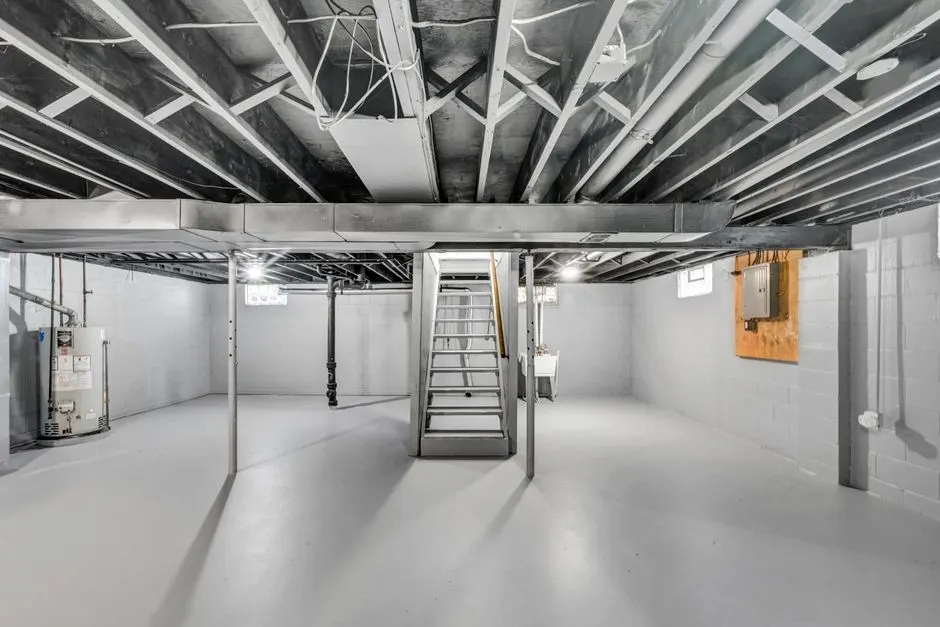
A basement mold inspection is a room-by-room investigation of every below-grade surface in your home, from the slab and baseboards to the joists, insulation, and ductwork overhead. We start with a thermal imaging camera to spot temperature differences that signal trapped moisture, then confirm each suspect area with a pin-type or pinless moisture meter. Where we find elevated readings, we take air and surface samples with a spore trap sampler and send them to an accredited lab. You get a written report with photos, lab results, and a clear answer about what is growing and why. Below-grade spaces in UNIVERSAL CITY stay damp for reasons that have nothing to do with how clean you keep the house. Winter rain soaks the soil against the foundation, summer irrigation keeps it wet, and older hillside homes push groundwater toward the lowest point in the structure. That is why a basement mold assessment in UNIVERSAL CITY California matters more than a visual walkthrough. If your basement smells musty after a storm, or you have seen dark staining creep up a baseboard, the moisture source is already there and the mold has already started.
! Common warning signs
Musty odor that returns after every cleaning
A smell that keeps coming back means active growth somewhere you cannot see. Left alone, the colony spreads into framing and ductwork, and remediation cost climbs with every month of delay.
Dark staining creeping up baseboards after rain
Staining at the base of a wall usually means water is wicking up from the slab or entering through a foundation crack. Ignoring it lets the drywall and bottom plate stay wet, which is exactly the condition mold needs.
Mold regrowth after a DIY cleanup
Wiping visible mold with household cleaner removes the surface growth but leaves the moisture source untouched. Regrowth typically shows up within three to six weeks, often worse than the first time because the colony has spread deeper.
Scope of work
What a basement mold inspection includes
Every basement inspection includes the full visual, thermal, and moisture survey, plus a written report. Lab sampling is quoted separately because the number of samples depends on what we find. Here is what is covered on a standard visit.
-
01
Full visual survey
We walk the entire basement, plus the crawl space access and the exterior foundation wall where reachable. That covers slab, baseboards, finished walls, exposed joists, insulation, ductwork, and any storage areas. Staining, efflorescence, soft drywall, and lifted flooring all get logged with photos and location notes.
-
02
Thermal and moisture mapping
A thermal imaging camera scans walls, ceiling, and floor for temperature anomalies, and every anomaly gets confirmed with a moisture meter. Readings are recorded by location so you can see exactly which sections are wet and how wet. This is the step that finds hidden wet zones behind finished surfaces.
-
03
Air and surface sampling
Where readings are elevated or visible growth is present, we collect air samples with a spore trap sampler and surface swabs from affected materials. We also take one outdoor control sample so the lab can compare indoor counts against the local baseline. Samples ship the same day.
-
04
Written report with lab results
You receive a report with photos, moisture readings, sample locations, and lab results with genus-level identification. If remediation is needed, the scope and price are included in the same document. If it is a moisture problem without active mold, the report names the fix and points you at the right trade.
Why homeowners book a basement mold inspection
A basement mold inspection answers three questions fast: is there mold, where is the water coming from, and what will it take to fix it. Here is what that gets you.
Book inspectionTools and methods we use
Thermal imaging camera
Scans walls, ceilings, and floors for temperature differences that reveal trapped moisture behind finished surfaces. This is the tool that finds hidden wet zones a visual inspection would walk right past.
Pin-type and pinless moisture meter
Confirms every thermal anomaly with an actual moisture reading. We log readings by location so the report shows exactly which sections are wet and how wet they are.
Boroscope inspection camera
Slides through a small access hole to inspect inside wall cavities and behind baseboards without cutting a large opening. It lets us confirm growth in a cavity before we commit to opening the wall.
Spore trap sampler
Collects air samples for lab analysis of airborne spore counts. We pair indoor samples with an outdoor control so the lab can tell you whether indoor counts are elevated relative to the local baseline.
Local execution
UNIVERSAL CITY sits where the Hollywood Hills meet the San Fernando Valley floor, and that geography shapes what we find in basements here. Homes on the hillside above Universal City Plaza deal with groundwater pushing against the downhill foundation wall every winter, and that pressure finds every crack and cold joint. Valley-floor homes on slab-on-grade construction have a different problem: a failed or missing vapor barrier lets ground moisture wick up through the concrete year-round. Add the older housing stock in Studio City, Toluca Lake, and Valley Village, where basements were often finished decades ago with materials that trap moisture, and you get the conditions we see on most calls. Our inspection plan adjusts for both. On hillside properties we pay close attention to the downhill wall and any interior drainage. On slab homes we check the vapor barrier condition and every plumbing penetration under finished flooring. If you have been putting off a basement mold assessment in UNIVERSAL CITY because the smell comes and goes, the seasonal pattern itself is a clue worth acting on.
How basement mold inspection runs in UNIVERSAL CITY
- • Universal City Plaza
- • Studio City
- • Toluca Lake
- • North Hollywood
Recent work
Same-day and 24/7 basement mold inspection in UNIVERSAL CITY
When water shows up, we answer
Our phone line is answered around the clock, including weekends and holidays. For active water events, sewage backups, and post-storm calls, we keep same-day inspection slots open and can usually have a technician at your door within two to four hours of your call. Each inspection vehicle carries a thermal imaging camera, moisture meter, boroscope inspection camera, and spore trap sampler, so the full assessment happens in one visit rather than two. A standard basement inspection takes two to four hours depending on square footage and how much of the space is finished. Lab samples ship the same day and results come back in 24 to 72 hours. If you need a basement mold assessment UNIVERSAL CITY wide and you are not sure whether it qualifies as urgent, call anyway. We will tell you honestly whether it can wait until morning or whether it should not.
What to expect during your inspection
Phone intake
We ask what you have noticed, when it started, and whether there has been a recent leak, flood, or plumbing repair. That conversation usually narrows the search before we arrive. You get a clear arrival window and a flat inspection price up front, so there is no surprise on the invoice.
Visual walkthrough
Our technician walks the full basement, plus the crawl space access and the exterior foundation wall if it is reachable. We look for staining, efflorescence, lifted vinyl, soft drywall, and that distinct musty odor. This step takes 20 to 30 minutes and sets the priority list for the rest of the visit.
Moisture and thermal mapping
We run a thermal imaging camera across the walls, ceiling, and floor, then confirm every anomaly with a moisture meter. Readings get logged by location so you can see exactly which sections are wet and how wet. This is where we usually find the hidden wet zone that a visual inspection alone would miss.
What a basement mold inspection costs
Typical 2026 pricing for a basement mold inspection in UNIVERSAL CITY runs $250 to $650, with lab sampling adding $75 to $150 per sample set. Most jobs use two to four samples. You get the full price before we schedule, and it does not change based on what we find. A basement mold assessment UNIVERSAL CITY homeowners book through us includes the visual survey, thermal and moisture mapping, and the written report. Sampling is the only variable, and we tell you how many samples we plan to take before we take them.
Square footage and layout
A single open basement takes less time than a finished space with multiple rooms, closets, and mechanical areas. Every wall section and penetration gets checked, so more square footage and more rooms means more inspection time. A 500 square foot unfinished basement is at the low end of the range; a 1,500 square foot finished space with a crawl space access is at the high end.
Number of lab samples
Sampling is quoted separately because the right number depends on what we find. A simple job with one suspect area might use two samples. A larger space with multiple wet zones might use four or five. Each sample set runs $75 to $150 depending on whether it is air, surface, or both.
Access and site conditions
Tight crawl space entries, low clearance, and basements packed with stored belongings slow the inspection down and sometimes require moving items to reach wall sections. We quote access conditions up front based on what you describe on the phone, and we confirm the price before starting work.
Frequently asked questions
How much does basement mold inspection cost in UNIVERSAL CITY California?
Most basement inspections in UNIVERSAL CITY run $250 to $650 in 2026, depending on square footage and how much of the space is finished. Lab sampling adds $75 to $150 per sample set, and a typical job uses two to four samples. Crawl space access, tight quarters, or a second structure on the property can push the total higher. You get the full price before we schedule, and it does not change based on findings.
What causes basement mold in UNIVERSAL CITY?
The three most common causes we find are foundation water intrusion during winter rain, failed or missing vapor barriers under the slab, and slow plumbing leaks behind finished walls. Hillside homes around Universal City Plaza also deal with groundwater pushing against the downhill foundation wall. Any of those keeps a surface above 60 percent moisture content long enough for mold to colonize, usually within 24 to 48 hours of the water event.
How do I know if my basement has mold in UNIVERSAL CITY California?
The reliable signs are a musty odor that returns after cleaning, dark staining along baseboards or ceiling corners, warped or soft drywall, and allergy symptoms that ease when you leave the house. Visible growth is the obvious one, but most basement mold we find is hidden behind drywall or under carpet. If you smell something earthy and cannot find the source, that is the point to book an inspection rather than keep hunting.
Is basement mold assessment different from crawl space inspection in UNIVERSAL CITY?
They overlap but are not the same job. A basement mold assessment UNIVERSAL CITY homeowners book focuses on finished and unfinished below-grade living space, including slab, walls, joists, and ductwork. A crawl space inspection covers the shallow, often dirt-floored void under the main floor. Many homes have both, and when they do we inspect them together so the moisture picture is complete rather than split across two visits.
Related services
Mold Inspection Near Me
If you searched for mold inspection near me and ended up on a basement page, that is usually the right call. We cover the whole house, but the basement is where moisture problems concentrate in UNIVERSAL CITY. Book the full inspection and we will walk every level.
Mold Inspection
A general mold inspection covers the whole structure, not just the basement. We recommend it when you have symptoms upstairs or a smell you cannot place. The basement portion uses the same thermal imaging and moisture mapping as a standalone visit.
Book your Basement Mold Inspection in UNIVERSAL CITY, California
We answer the phone around the clock and keep same-day slots open for active leaks and post-storm calls. Flat inspection pricing, lab-verified results, and a written report you can actually use. Call (833) 929-5837 or book online and we will confirm your window within the hour.